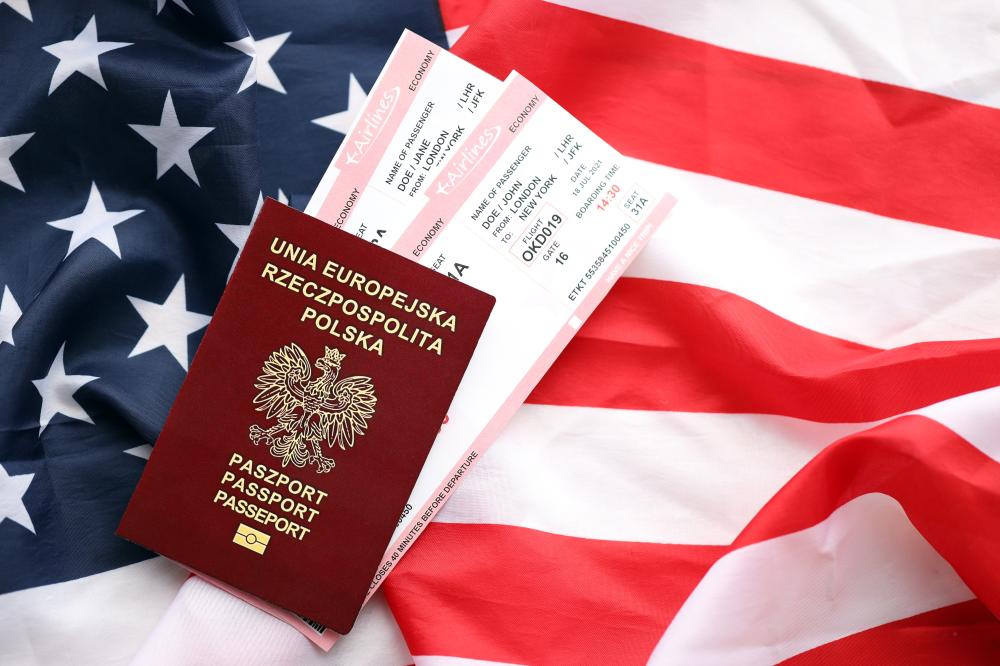
Understanding the US Travel Visa Appointment Process
As someone with over two decades in the visa and travel documentation industry, I understand the intricacies of securing a U.S. travel visa appointment. This process can be a linchpin in determining the success of your travel plans. Being prepared and informed is essential to ensure a smooth experience. At GovAssist, we've guided thousands through this journey, ensuring that every applicant is well-prepared and informed. This section delves into the step-by-step procedure involved in scheduling your US Travel Visa Appointment.
How to Schedule a US Travel Visa Appointment
Navigating the US Travel Visa Appointment process can be daunting but breaking it down into clear steps makes it manageable. Here are the essential steps you need to follow:
- Determine your visa type: Know whether you need a tourist, business, or student visa, as each has distinct requirements.
- Complete the DS-160 form: Ensure all information is accurate and matches your documentation.
- Pay the application fee: Follow the payment instructions carefully; fees vary based on visa type.
- Schedule your appointment: Use the official website to choose a convenient date and location for your interview.
- Prepare your documents: Gather necessary documents like your passport, photo, and any supporting materials.
Following these steps ensures that your US Travel Visa Appointment is successful and stress-free. Many clients at GovAssist have found that preparation is key to overcoming potential hurdles.
How to Prepare for Your Visa Interview
With the US Travel Visa Appointment scheduled, the next step is preparing for the interview. Drawing from my extensive experience, here are some tips:
- Dress appropriately: Business casual is often the safest choice.
- Practice your interview responses: Be ready to clearly articulate the purpose of your visit.
- Bring all required documents: Double-check your list, and ensure everything is in order.
Comprehensive preparation can greatly increase your chances of success. By being well-prepared, you convey confidence and seriousness about your travel intentions.
What Qualifies as a US Travel Visa Appointment Emergency?
An emergency appointment for a US travel visa can be requested under certain circumstances. These typically include medical emergencies, unforeseen business needs, or family funerals.
You must provide documentation that corroborates your emergency request. For instance, a doctor's note or letter from your employer can substantiate the urgency of your application. Working with organizations like GovAssist, applicants can receive guidance on preparing these essential documents.
Real-Life Case Study: A Success Story
I remember assisting a client from India who needed a US Travel Visa Appointment for an urgent family medical emergency. They were overwhelmed, but under our guidance, they secured an emergency appointment and received their visa in record time. This instance exemplifies how thorough understanding and expert guidance can make a significant difference.
At GovAssist, we pride ourselves on turning complexities into straightforward processes. Our team's extensive experience and commitment to client success ensure that each case is handled with precision and care.
Why Choose GovAssist for Your US Travel Visa Appointment?
Selecting a trusted partner like GovAssist for your US Travel Visa Appointment means you're backed by years of proven expertise. With a record of over 500,000 successful cases, our team offers personalized support every step of the way. Here's what you stand to gain:
Our 24/7 assistance, available in over 100 languages, ensures that every question is answered, and every concern is addressed. Additionally, our digital solutions streamline the application process, making it intuitive and hassle-free. Experience the GovAssist difference and let us pave the way for your travel aspirations.
What is an Invitation Letter for US Visa?
An Invitation Letter for US Visa is a formal request from a host inviting a guest to visit the United States for a specific reason, such as tourism, business, or family visits. While not a mandatory document, it can enhance the application by demonstrating the applicant's intentions and plans during their stay. In my 20 years of experience assisting clients with visa applications, I've seen how a well-crafted Invitation Letter for US Visa can provide clarity and support the purpose of a visit.
The Importance and Benefits of an Invitation Letter
While the Invitation Letter for US Visa isn't required, it offers multiple benefits. It provides the consular officer with context about the applicant's visit and helps portray their genuine intent to return home. A detailed letter can sometimes be the deciding factor in ambiguous cases. As GovAssist, we guide clients in structuring their letters to align with best practices, ensuring all relevant information is covered.
For instance, an Invitation Letter for US Visa can help clarify the trip's purpose. Whether for a family reunion or a business meeting, clearly stating this intention supports the visa application. As an advisor, I've guided countless clients in emphasizing important details like travel dates, accommodation arrangements, and host information within their invitation letters.
How to Write an Effective Invitation Letter
Crafting a compelling Invitation Letter for US Visa involves careful attention to detail. Here's a simple process to follow:
- Start with a Formal Greeting: Address the letter to the visa officer or the guest.
- Introduce the Host: Include full name, address, and contact information of the person inviting.
- Specify the Purpose of the Visit: Clearly state why the guest is visiting and for how long.
- Include Hosting Details: Mention where the guest will stay and how expenses will be covered.
- Conclude with an Assurance: Confirm the guest's intent to return home after the visit.
In my experience, personal anecdotes or stories related to the visit can enrich the letter, making it both authentic and compelling.
What are Common Misconceptions About Invitation Letters?
Many applicants mistakenly believe the Invitation Letter for US Visa guarantees visa approval. In reality, it is just one piece of the puzzle. Consular officers focus more on the applicant's ties to their home country than the invitation itself. I often remind clients that the letter supports--not replaces--the primary application criteria. It's a tool for clarity, not a ticket to entry.
Another misconception is about its necessity. I've encountered numerous clients initially anxious about not having an invitation. Yet many successful applications proceed without one. This underscores the importance of understanding the visa process comprehensively.
Drawing from Personal Experiences and Insights
Over the years, working with diverse clients at GovAssist has enriched my understanding of visa applications. One particularly memorable case involved a student visiting a scientific conference. His Invitation Letter for US Visa included a detailed conference plan, underscoring his commitment to return home. This nuanced approach, honed from experience, illuminated the path for a successful application.
Such experiences reaffirm my belief in the power of a well-crafted letter. At GovAssist, we strive to simplify the complexities of travel documentation, ensuring clients worldwide can travel seamlessly and confidently.
Why Travel and Health Insurance Is Essential
The unexpected can happen anywhere in the world, and travel and health insurance is your safeguard against unforeseen medical and travel-related expenses. When you're traveling overseas, your domestic health insurance might not cover you, leaving you vulnerable in a foreign healthcare system. From personal experience, I've seen travelers financially devastated because they lacked proper coverage.
Imagine being in a remote location with limited access to medical facilities, only to realize that a medical evacuation could cost upwards of $100,000. Such scenarios make travel and health insurance not just advisable but crucial. An effective policy covers not only hospital visits but also emergency evacuations, ensuring you're not left stranded without medical care.
Another significant benefit is the peace of mind it offers. With travel and health insurance, travelers can focus on enjoying their journey rather than worrying about potential mishaps. This assurance is invaluable, especially for frequent travelers and expatriates who live abroad for extended periods. Whether it's a business trip or a family vacation, having comprehensive coverage ensures a smoother experience.
How to Choose the Right Travel and Health Insurance
Selecting the right travel and health insurance involves assessing several factors, each playing a pivotal role in the decision-making process. Firstly, determine the coverage type necessary for your travel plans; this may range from basic travel insurance to comprehensive policies that include health benefits.
Another critical aspect is understanding the insurance provider's network and claims process. From my 20 years in the industry, I've learned that a provider with a vast network of recognized healthcare facilities and a simple claims process can make a significant difference. It's wise to check reviews and ratings of the insurer to gauge their reliability and customer satisfaction.
Moreover, scrutinize the policy details--ensure it includes emergency medical evacuation, coverage for pre-existing conditions if needed, and trip cancellation insurance. Each of these components can significantly impact your travel experience if the unexpected occurs. No one wants to face bureaucratic hurdles during a medical emergency away from home.
Finally, consider your travel destination and the specific risks associated with it. For instance, some regions might pose higher health risks, requiring more comprehensive coverage. A trip to a region with a history of political instability might necessitate additional travel insurance to cover delays or cancellations.
What Does Travel and Health Insurance Typically Cover?
Travel and health insurance can encompass a wide range of coverage options, providing financial protection against various potential incidents. These policies often cover routine medical expenses such as doctor visits and prescription medications. Some plans may even include dental care, ensuring comprehensive healthcare support while abroad.
A critical component of travel and health insurance is coverage for medical emergencies, which is essential for anyone traveling internationally. This includes ambulance services and hospitalization costs, crucial for those traveling to areas with limited healthcare infrastructure. From our clients' experiences, we know that having this protection can be life-saving.
Moreover, many policies offer trip-related coverage, including trip cancellation, interruption, or delays. In addition, personal belongings and baggage loss coverage can protect against the inconvenience and financial loss of lost luggage. This multifaceted approach ensures travelers are protected from both health and travel-related uncertainties.
How to Efficiently File an Insurance Claim
Filing an insurance claim while traveling can seem daunting, but it can be seamless with the right approach. The first step is to ensure you have the necessary documentation, which typically includes receipts, incident reports, and medical records. Ensure these are submitted promptly to avoid any potential delays.
Next, familiarize yourself with your insurance provider's claims process before you travel. This can involve online portals, apps, or direct communication with a representative. From years of observing successful claims, having this knowledge in advance significantly simplifies the procedure.
Upon return, promptly follow up with your provider to confirm receipt of all documents and inquire about the progress of your claim. Establishing a point of contact within the insurance company can help streamline communications and speed up the process.
Throughout the process, maintaining clear and organized records is crucial. This ensures that if any discrepancies arise, you can provide the necessary proof to support your claim. Remember, being proactive and informed can turn a stressful experience into a manageable process.
What Are Some Unexpected Hurdles You Might Face?
Traveling is unpredictable, and even with travel and health insurance, there are unexpected hurdles one might encounter. A common issue is understanding the extent of coverage, particularly with pre-existing conditions. Policies can vary widely, and some might not cover certain chronic conditions, leading to unexpected out-of-pocket expenses.
Another hurdle could be jurisdictional limitations. Some policies might not cover certain regions or countries, especially those with travel advisories. It's essential to carefully review your policy details to ensure you're covered in your destination, avoiding unforeseen gaps in your plan.
Additionally, language barriers in non-English-speaking countries can complicate medical treatment and insurance communications. Having access to professional translation services through your insurance policy can alleviate these challenges.
Lastly, timing can be critical. Ensure you purchase your travel and health insurance well before embarking on your journey, as some policies have waiting periods before coverage takes effect. This proactive step ensures that you're protected right from the start of your trip.
What are the key steps involved in the US travel visa appointment process?
When applying for a US travel visa, the process can seem daunting, but breaking it down into manageable steps can simplify things considerably. It starts with determining the type of visa you need, whether it's for tourism, business, or study. Next, you'll complete the DS-160 form online, ensuring all the information matches your documents. After submitting the form, you'll pay the application fee, which varies depending on the visa type. Scheduling the appointment comes next, and it's crucial to choose a date and time that suits your needs. Finally, preparing all necessary documents, including your passport, photo, and any supporting materials, is essential for the interview. These steps lead to a smoother experience and increase your chances of a successful application.
Can you request an emergency US travel visa appointment, and under what circumstances?
Yes, you can request an emergency US travel visa appointment, but it's typically reserved for urgent situations such as medical emergencies, unforeseen business needs, or family funerals. To qualify, you must provide documentation that supports the urgency, like a doctor's note or a letter from your employer. It's important to remember that while emergencies are considered, the consulate will assess each request on a case-by-case basis. Collaborating with experts like those at GovAssist can help you prepare the necessary documents and improve your chances of securing an emergency appointment.
How important is an invitation letter for a US visa, and what role does it play in the application process?
An invitation letter for a US visa is not a mandatory document, but it can be beneficial. It acts as a formal request from a host inviting you to visit the US for a specific reason, such as tourism or business. While the letter doesn't guarantee visa approval, it provides additional context about your visit to the consular officer, demonstrating your intentions and plans. It can be particularly helpful in cases where the purpose of the visit might seem ambiguous, offering clarity and support to your application. GovAssist can assist in crafting a compelling letter, emphasizing details like travel dates and accommodation arrangements.
Why is travel and health insurance an essential part of planning a trip?
Travel and health insurance is crucial because it acts as a safety net against unexpected medical and travel-related expenses. Without insurance, travelers can face substantial financial burdens from unforeseen situations like medical emergencies or travel disruptions. Imagine being in a remote location and requiring a medical evacuation, which can cost upwards of $100,000. Having insurance provides peace of mind, allowing travelers to enjoy their journey without worrying about potential mishaps. It's not just advisable but essential, ensuring coverage for situations ranging from hospital visits to emergency evacuations.
What should travelers consider when choosing the right travel and health insurance?
When selecting travel and health insurance, it's vital to assess your specific needs. Start by determining the coverage necessary for your trip, whether that's basic travel insurance or a comprehensive policy with health benefits. Consider the insurer's network and claims process; a vast network and a straightforward claims process are crucial during emergencies. Evaluate policy details like emergency medical evacuation, coverage for pre-existing conditions, and trip cancellation insurance. Each component can significantly impact travel experiences if unexpected events occur. Finally, consider your destination's specific risks and ensure your policy offers adequate protection for those scenarios.
What are some common misconceptions about the invitation letter for US visas?
A common misconception is that an invitation letter guarantees visa approval. In reality, it's just one of many components considered by the visa officer. The primary focus is usually on the applicant's ties to their home country. Another misconception is about its necessity; many believe an invitation letter is essential, but successful applications can proceed without one. Understanding the visa process comprehensively is key, and while the invitation letter can provide support, it's not a substitute for meeting the primary application criteria.
What unexpected hurdles might travelers face, even with travel and health insurance?
Even with travel and health insurance, travelers can encounter unexpected hurdles. One common issue is understanding the policy coverage, especially concerning pre-existing conditions. Some policies might not cover these, leading to unexpected expenses. Jurisdictional limitations can also pose challenges, as some policies may exclude specific regions or countries. Language barriers in non-English-speaking countries can complicate medical treatment and insurance claims, making access to professional translation services beneficial. Lastly, timing matters; purchasing insurance well before traveling is crucial to avoid any waiting periods that might delay coverage.