
Italy Visa

Published: June 4, 2025

Understanding Italy Visa Requirements Steps to Applying for an Italy Visa Insider Tips for a Smooth Italy Visa Process What...

Steps to Applying for an Italy Visa

Understanding Italy Visa Requirements

When planning a trip to Italy, determining whether you need an Italy Visa is the first step. Based on your nationality, purpose, and duration of stay, the need for a visa varies. As an immigration consultant with over two decades of experience at GovAssist, I've seen many travelers find themselves in a bind due to a lack of proper documentation.

  • Tourist Visas for leisurely trips
  • Business Visas for work-related travel
  • Student Visas for educational pursuits
  • Investment Visas for potential investors

These are just a few types of Italy Visa that you might consider depending on your circumstances. A comprehensive understanding of these visa types is crucial to avoid travel disruptions.

Steps to Applying for an Italy Visa

Applying for an Italy Visa is a structured process that requires preparation and attention to detail. Here's a detailed guide to navigating this journey:

  1. Research Your Visa Type: Identify the visa type suitable for your travel purpose.
  2. Gather Necessary Documentation: This includes travel itineraries, accommodation details, and financial proof.
  3. Complete the Application Form: Fill out the form meticulously, ensuring all information is accurate.
  4. Schedule an Appointment: Visit the Italian consulate or embassy in your area to submit your application.
  5. Attend the Interview: Be prepared to explain your travel intent and provide any additional documentation if required.

Each step is vital to ensuring a successful visa application process, and neglecting any can lead to delays.

Insider Tips for a Smooth Italy Visa Process

Having guided thousands through the Italy Visa process, I've learned some valuable insights. It's crucial to be proactive and thorough. Start your application process at least two months ahead of your planned travel date. This ensures you have ample time to collect every document and resolve any unforeseen issues.

Additionally, maintaining a good track record with past visas can favorably impact new applications. Consistency in application details and supporting documents also plays a significant role in securing a visa.

What are Common Mistakes in Italy Visa Applications?

Failure to provide complete documentation is the most common oversight. Missing a single document can lead to the rejection of your Italy Visa application. Many applicants also underestimate the importance of the visa interview, which is not just a formality but a crucial part of the process.

Over the years, I have seen applicants make the mistake of providing inconsistent information across documents. Ensuring all details are synchronized can prevent unnecessary complications.

What Qualifies as an Italy Visa Emergency?

An Italy Visa emergency may arise due to sudden family emergencies or unforeseen travel needs where time does not permit following the standard visa process.

While the regular process takes time, urgent requests can sometimes be expedited. It's important to reach out to the consulate with valid proof of the emergency and, if possible, documented evidence of previous travel commitments to Italy to leverage quicker processing.

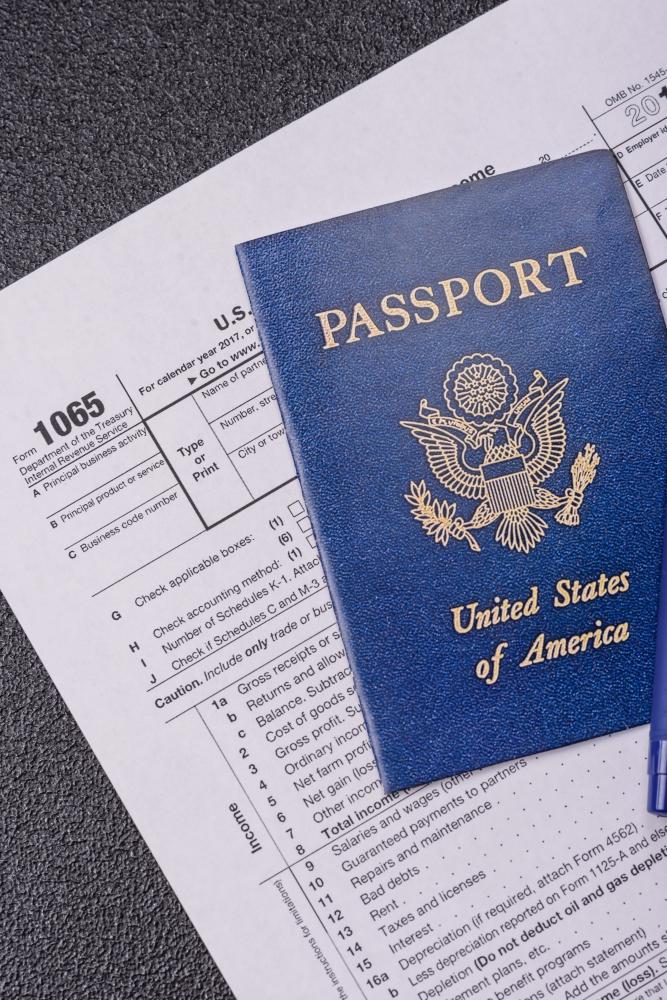
How to Apply for an F1 Visa

What is an F1 Visa?

The F1 Visa is a nonimmigrant visa for individuals seeking to study in the United States. It is primarily issued to international students enrolled in academic programs, such as universities, colleges, high schools, and language training programs. The F1 Visa allows these students to reside in the U.S. for the duration of their studies while maintaining full-time enrollment status.

Applicants must be accepted into a program at a Student and Exchange Visitor Program (SEVP)-approved institution and demonstrate financial ability to support themselves during their stay. This visa also permits students to work part-time under certain conditions, providing valuable real-world experience alongside their academic pursuits.

How to Apply for an F1 Visa

Applying for an F1 Visa can be a straightforward process if you follow these steps:

  1. Apply and be accepted by an SEVP-approved school.
  2. Receive your Form I-20 from the educational institution.
  3. Pay the SEVIS fee and complete the DS-160 Nonimmigrant Visa Application online.
  4. Schedule an interview at a U.S. Embassy or Consulate in your home country.
  5. Gather necessary documents including your passport, financial evidence, educational transcripts, and proof of SEVIS fee payment.
  6. Attend the visa interview where a consular officer will evaluate your application.
  7. Receive your visa if approved, and make travel arrangements.

Each step requires attention to detail and timely action. At GovAssist, we offer guidance at every stage to ensure a smooth application process.

Common Challenges with the F1 Visa

Securing an F1 Visa can present its own set of challenges. Applicants often face issues such as demonstrating financial stability or proving nonimmigrant intent. An anecdote from my 20 years in the industry highlights a student who had difficulty proving ties to their home country, a common obstacle during the visa interview.

Moreover, the interview process can be daunting, with questions aimed at verifying the applicant's genuine intent to study in the United States. Proper preparation and a clear understanding of the process can significantly enhance your chances of success.

At GovAssist, we strive to mitigate these challenges by offering personalized advice, ensuring each client understands the requirements and documentation needed.

Can F1 Visa Holders Work in the U.S.?

Yes, but with limitations. F1 Visa holders can engage in Optional Practical Training (OPT), allowing them to work in their field of study for up to 12 months during or post-completion of their academic program. Additionally, Curricular Practical Training (CPT) offers work opportunities integral to their curriculum.

Employment is generally allowed on the campus of the educational institution, with up to 20 hours per week during sessions and full-time during breaks. It is important to comply with these work restrictions to maintain visa status.

  • On-campus employment: Permitted with restrictions
  • OPT: Post-completion work authorization
  • CPT: Curriculum-related employment

Understanding these options is crucial for F1 Visa holders to balance academic and professional aspirations.

What Should I Do If My F1 Visa Is Denied?

If your F1 Visa application is denied, the first step is to understand the reason behind the decision, which the consular officer will typically explain. Common reasons include insufficient financial proof, inadequate ties to your home country, or missing documents.

Addressing these issues promptly is key to a successful reapplication. Strengthen your application by providing additional documentation or clarifying previous discrepancies. GovAssist can assist in identifying weak points in your application and guide you through the process of reapplying for an F1 Visa.

Remember, with determination and the right support, you can overcome initial setbacks and continue your journey towards academic excellence in the United States.

The Importance of the US Visa Number

The US Visa Number is a critical component of any visa, serving as an identifier for individual visa records. This number, usually found in bold red on the lower right corner of modern visas, is essential for both nonimmigrant and immigrant visa holders. Nonimmigrant visa numbers are temporary and specific to your visit, whereas immigrant visas, often referred to as green cards, grant permanent residency.

As a professional with over 20 years of experience in visa and immigration services, I've encountered countless individuals who didn't know where to locate their US Visa Number, causing unnecessary stress during travel and status updates. Understanding its location and significance can be crucial, especially when dealing with immigration authorities or when updating your visa status. The US Visa Number not only facilitates travel but also plays a crucial role in legal documentation and processing.

GovAssist, as a leading service provider in visa applications, often addresses these concerns by guiding clients meticulously through the identification and application processes. With our expert support, clients learn how to easily identify and use their US Visa Number effectively, minimizing the chances of administrative hiccups during their travels.

Locating Your US Visa Number

Finding your US Visa Number is a straightforward process once you know where to look. Typically, this number is located on the bottom right of your visa document. It is printed in red for easy identification, usually comprising eight numeric characters. In some cases, particularly with older visas, you might find a combination of one letter followed by seven numbers.

From my experience, travelers often mix up the US Visa Number with other numbers such as the control or passport number. To ensure you have the correct number, cross-reference it with your visa's issuing information. The visa document contains additional details like the issuing port name, visa type, and expiration date. These are all crucial for cross-verification purposes.

Those who use GovAssist are provided with a comprehensive guide, ensuring they understand every detail of their visa documentation. Our support system allows clients to clarify any doubts, ensuring the correct identification of their US Visa Number, thus avoiding any potential setbacks during travel.

With technology in place, the process has been streamlined, reducing room for errors. GovAssist continues to innovate in making these processes user-friendly and less daunting for all our clients, ensuring they travel with confidence.

How to Use Your US Visa Number Effectively

Your US Visa Number serves as a key identifier in all travel and immigration-related activities. Here's how you can utilize this number effectively:

  • Immigration Checkpoints: At entry points, officers use this number to verify your visa status, ensuring you are legally permitted to enter.
  • Status Updates: When adjusting your visa status or applying for extensions, the US Visa Number is crucial for accurate processing.
  • Legal Documentation: It is required for any legal proceedings related to your visa or immigration status.

GovAssist facilitates these processes by offering timely reminders and assistance. Clients can leverage our expertise to ensure their documentation is always up to date. With our tools, clients can easily know when it's time to apply for a visa extension or when their visa is nearing expiration.

FAQ: What's the Significance of the US Visa Number?

The US Visa Number is vital because it acts as a unique identifier for your visa across the US immigration system. Ensuring this number is entered correctly in applications and legal documents is essential for maintaining your travel and residency rights. Failure to do so can lead to delays or complications in your immigration status.

With over a million satisfied clients, GovAssist has consistently been a reliable guide for those navigating the US visa process. Our services ensure that you have all the necessary information at your fingertips, backed by real-time support from expert advisors who can address your questions effectively.

Clients often ask about the implications of losing a visa number or misplacing documentation. In such cases, immediate action is required to prevent potential legal issues. Through GovAssist, individuals receive step-by-step guidance on how to report and rectify such situations, ensuring compliance with immigration regulations.

Through personalized support and a comprehensive approach, we ensure that your experience with the US visa process is seamless and worry-free. We understand the nuances that make each client's situation unique, and we tailor our services accordingly.

Steps to Apply for a Visa with GovAssist

Applying for a visa with GovAssist is designed to be a streamlined and user-friendly experience. Here's a breakdown of the process:

  1. Initial Consultation: Speak with one of our advisors to understand your specific visa needs and gather necessary documentation.
  2. Application Preparation: Our team assists in filling out the visa application forms accurately and efficiently.
  3. Document Submission: Submit your completed application, along with the US Visa Number and other required documents, through our secure portal.
  4. Follow-Up Support: Receive updates and assistance from our 24/7 customer service team to ensure your application proceeds without delay.

We pride ourselves on our efficiency, detailed guidance, and exceptional client service. The system we've created supports over 500,000 cases, reflecting our commitment to client satisfaction and success. As always, our goal is to make the visa application process as simple and stress-free as possible for you.

Locating Your US Visa Number

What Are the Common Misconceptions About Italy Visa Requirements?

Many travelers mistakenly believe that Italy visa requirements are universally standard; however, they vary significantly based on nationality, purpose of travel, and duration of stay. A common misconception is that a tourist visa is sufficient for all visits, but that's not the case for business-related travel or long-term stays. At GovAssist, we emphasize the importance of understanding these nuances to avoid travel disruptions. For example, if you're planning an investment or educational pursuit, specific visas like the Investment Visa or Student Visa are necessary. Knowing which visa you need is pivotal. Have you ever found that the type of visa you initially thought you needed wasn't the one you actually required?

How Can You Ensure a Smooth Italy Visa Application Process?

To ensure a seamless Italy visa application experience, preparation and attention to detail are key. At GovAssist, we always suggest starting the process at least two months prior to your travel date. This timeframe allows for compiling required documents, such as travel itineraries and financial proof. Meticulous completion of forms and synchronization of information across all documents are vital. Additionally, don't underestimate the visa interview--come prepared to clearly articulate your travel intentions. Simple missteps, such as inconsistent documentation or missing interviews, can lead to delays. Do you have your documents in order, or would you benefit from expert guidance to manage the process efficiently?

What Constitutes an Italy Visa Emergency and How Can You Handle It?

Italy visa emergencies often occur due to unforeseen events like sudden family crises or unexpected work assignments requiring immediate travel. While the standard process may not suffice in emergencies, expedited services are sometimes available. Reaching out to the Italian consulate with verifiable proof of the emergency and previous travel history can expedite processing. At GovAssist, we guide clients through such urgent scenarios, ensuring they are equipped with the necessary documents and evidence to facilitate quicker resolutions. Have you ever had to deal with a last-minute travel requirement and wondered how best to proceed?

What Are the Common Challenges Faced by F1 Visa Applicants?

Applicants for an F1 Visa frequently encounter challenges in demonstrating sufficient financial resources or proving their intent to return home after their studies. The visa interview can be an intimidating hurdle, often focused on assessing the applicant's genuine educational intentions. At GovAssist, we recommend thorough preparation and documentation to strengthen your application. For instance, preparing a clear financial plan and evidence of ties to your home country can significantly enhance your application. Have you considered how you will demonstrate your connections to your home country during the interview process?

Why Is the US Visa Number Important and How Can It Be Used Effectively?

The US Visa Number is akin to a passport's fingerprint, serving as a unique identifier for each visa holder. It plays a critical role in immigration processes, from entry verification to status updates. At GovAssist, we stress the importance of knowing your visa number's location--typically found in bold red on the document's lower right side--to avoid confusion with control or passport numbers. With it, you can effectively manage legal documentation and immigration interviews. Understanding its significance can prevent administrative hiccups. Have you ever had to locate your US Visa Number quickly, and how did you manage?

How Can You Easily Locate Your US Visa Number?

Locating your US Visa Number is straightforward once you know where to look. Found in red on the lower right corner of modern visas, it typically consists of eight numeric characters or a combination of a letter followed by numbers on older documents. Many travelers mistakenly confuse this with their control or passport number. At GovAssist, we guide clients through identifying the correct number, thus streamlining immigration processes. Do you know exactly where your US Visa Number is located, or would you benefit from a quick reference guide?

Resources

two-girls

Welcome to the GovAssist blog. We know that navigating the maze of visa applications and online forms can be as tricky as choosing the perfect travel playlist (which is all we want you worrying about anyway). 

Throughout our years of experience, though, we’ve uncovered a mountain of knowledge which, via this blog, we’re sharing with you! Whether you're diving into the world of travel visas, wondering about the ESTA online hustle, or just trying to figure out the DS160 form, think of us as your online concierge, here to make the process easy and most of all, clear.

At this point in our global context, who has time for endless paperwork and confusing legal jargon? No one. That's why we're all about spilling the tea on online visa hacks, easier-to-work-with DS160 forms, and giving you tips on everything from tourist visas to immigration, to that last-minute ESTA online adventure.

So, just plug in a word you’re curious about on the search bar, and boom. We've got the tips, tricks, and insider info to help you (and anyone else you may be traveling with) get to your travel destination with the confidence of a seasoned traveler. 

Now go explore!